According to data published by the Centers for Disease Control and Prevention, nearly half of all adults living in the United States meet the clinical threshold for elevated arterial pressure readings [1]. This figure has placed cardiovascular wellness at the forefront of public health discourse in recent years.
A wide array of contributing elements has been identified in the published literature, spanning dietary patterns, sedentary routines, prolonged psychological tension, and genetic predisposition. While clinical oversight remains the cornerstone of any cardiovascular strategy, a substantial body of peer-reviewed research has also investigated the role of lifestyle modifications and specific nutritional compounds.
This editorial review consolidates findings from 19 published studies to present a factual overview of what current evidence suggests about natural approaches to arterial health. Nothing presented here is intended as medical guidance; rather, it serves as a research-driven informational resource for those seeking to better understand the published science.
A systematic analysis published by Aburto and colleagues in the BMJ examined the relationship between potassium consumption and cardiovascular markers. Their findings suggest that higher dietary potassium intake may be associated with more favorable arterial pressure readings in adults. The authors noted that balancing potassium against sodium intake appeared to be a relevant variable in the populations studied [2].
Appel and collaborators published a landmark trial in the New England Journal of Medicine evaluating a dietary framework rich in produce, whole grains, and reduced saturated fat content. According to their published results, participants adhering to this nutritional protocol demonstrated measurable shifts in systolic and diastolic readings over the study period. The researchers characterized these observations as statistically meaningful [6].
A comprehensive meta-analysis conducted by Naci and fellow researchers, published in the British Journal of Sports Medicine, aggregated data across multiple controlled trials examining exercise interventions. Their pooled analysis indicated that structured aerobic activity was associated with systolic reductions in the range of 5 to 8 mmHg among the study populations reviewed [3].
Neter and colleagues published a meta-analysis in Hypertension examining the relationship between body weight reduction and arterial pressure markers. Their aggregated findings suggest that meaningful reductions in body mass may be associated with proportional shifts in both systolic and diastolic readings. The data indicated an approximate 1 mmHg decrease per kilogram of body weight lost [4].
In a review published in Current Hypertension Reports, Spruill examined the mechanistic pathways through which sustained psychological stress may influence cardiovascular parameters. The review highlighted that chronic stress appears to activate sympathetic nervous system responses that research has connected to unfavorable arterial pressure patterns over extended periods [5].
Understanding the physiological systems that regulate arterial pressure can provide useful context for interpreting the research cited throughout this review. Three primary mechanisms are widely described in the medical literature:
As described in the Guyton and Hall reference text, the volume of blood ejected by the heart per minute—cardiac output—represents one of two principal determinants of arterial pressure. Factors that influence heart rate or stroke volume may, according to established physiology, alter the hemodynamic equation that governs pressure within the arterial system [7].
Safar's work published in Nature Reviews Cardiology describes how the elastic properties of arterial walls contribute to the regulation of blood flow dynamics. Published findings suggest that reduced arterial compliance—often described as increased vascular stiffness—may be associated with elevated systolic readings, particularly in aging populations [8].
Guyton's seminal publication in Science detailed the role of renal function in maintaining circulatory fluid balance. According to this foundational research, the kidneys' ability to regulate sodium and water excretion represents a critical long-term determinant of arterial pressure. Disruptions to this regulatory mechanism have been associated in the literature with sustained elevations [9].
The following compounds have been examined in peer-reviewed research for their potential association with cardiovascular markers. Published findings are summarized below; individual results in studies may not be generalizable.
A Cochrane systematic review by Guo et al. evaluated available trials and noted that hawthorn preparations may demonstrate a modest association with cardiovascular markers, though the authors emphasized the need for larger-scale studies [10].
Ried's analysis in Experimental and Therapeutic Medicine reviewed controlled trials investigating garlic supplementation. The pooled data suggested a potential association between aged garlic preparations and modest shifts in systolic readings among the studied cohorts [11].
Lockyer and colleagues published findings in the European Journal of Nutrition examining olive leaf polyphenols. Their controlled trial reported that certain olive-derived compounds may be associated with favorable changes in vascular function parameters among study participants [12].
Jalalyazdi et al., publishing in the Journal of Advanced Pharmaceutical Technology & Research, studied sour tea (hibiscus) consumption in a controlled setting. Their published findings indicated a potential association between daily hibiscus intake and changes in arterial pressure readings among participants [13].
McNulty and fellow researchers reported in the Proceedings of the Nutrition Society on the role of certain B vitamins, particularly riboflavin and folate, in homocysteine metabolism. Their review suggested that specific B-vitamin pathways may be relevant to cardiovascular function in populations with particular genetic variants [14].
Zhang and colleagues conducted a dose-response meta-analysis published in Hypertension. Their pooled findings suggested that magnesium supplementation may be associated with small but statistically detectable shifts in both systolic and diastolic readings across the included trials [15].
Beyond the primary nutritional and lifestyle factors discussed above, several additional elements have been examined in peer-reviewed publications for their potential relevance to cardiovascular markers:
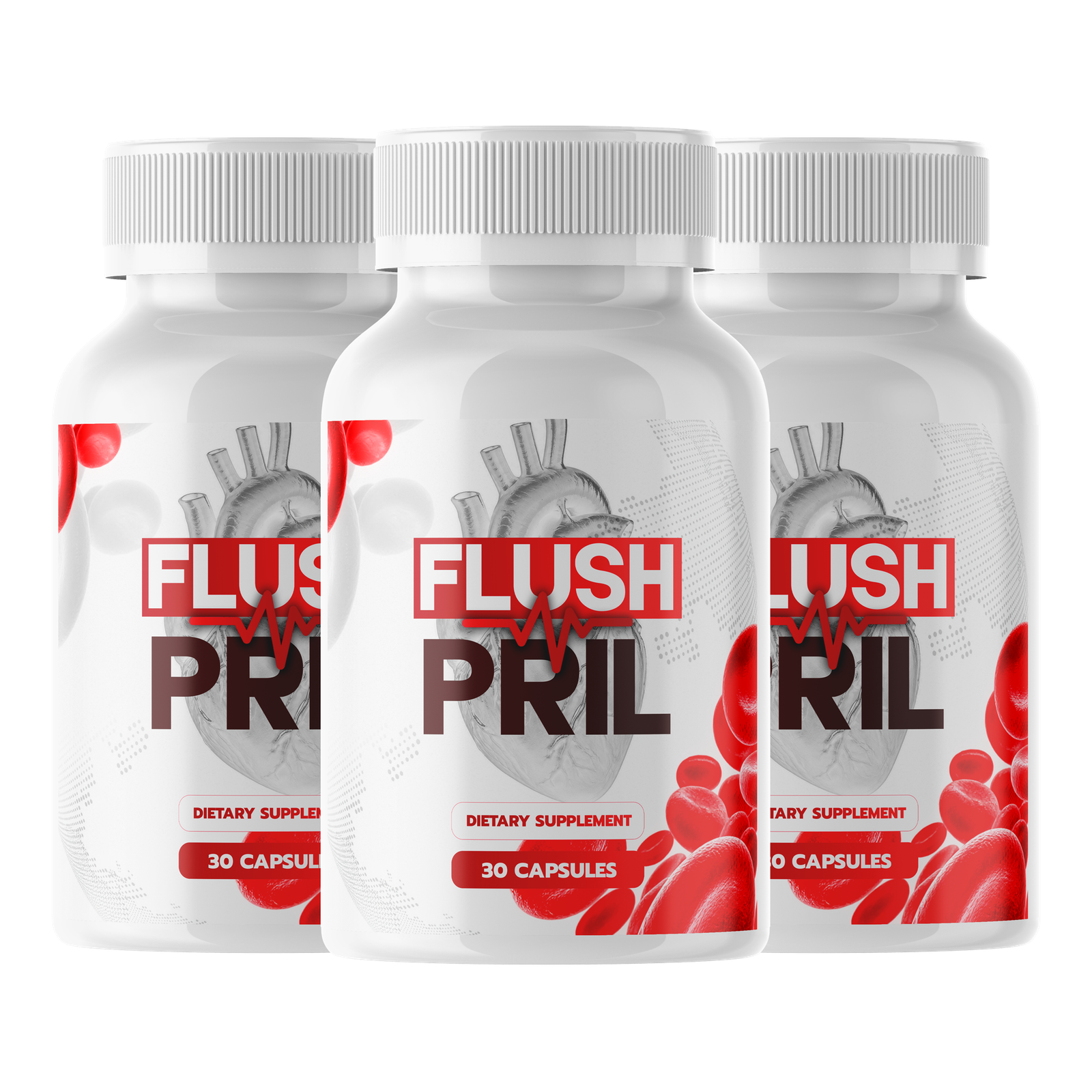
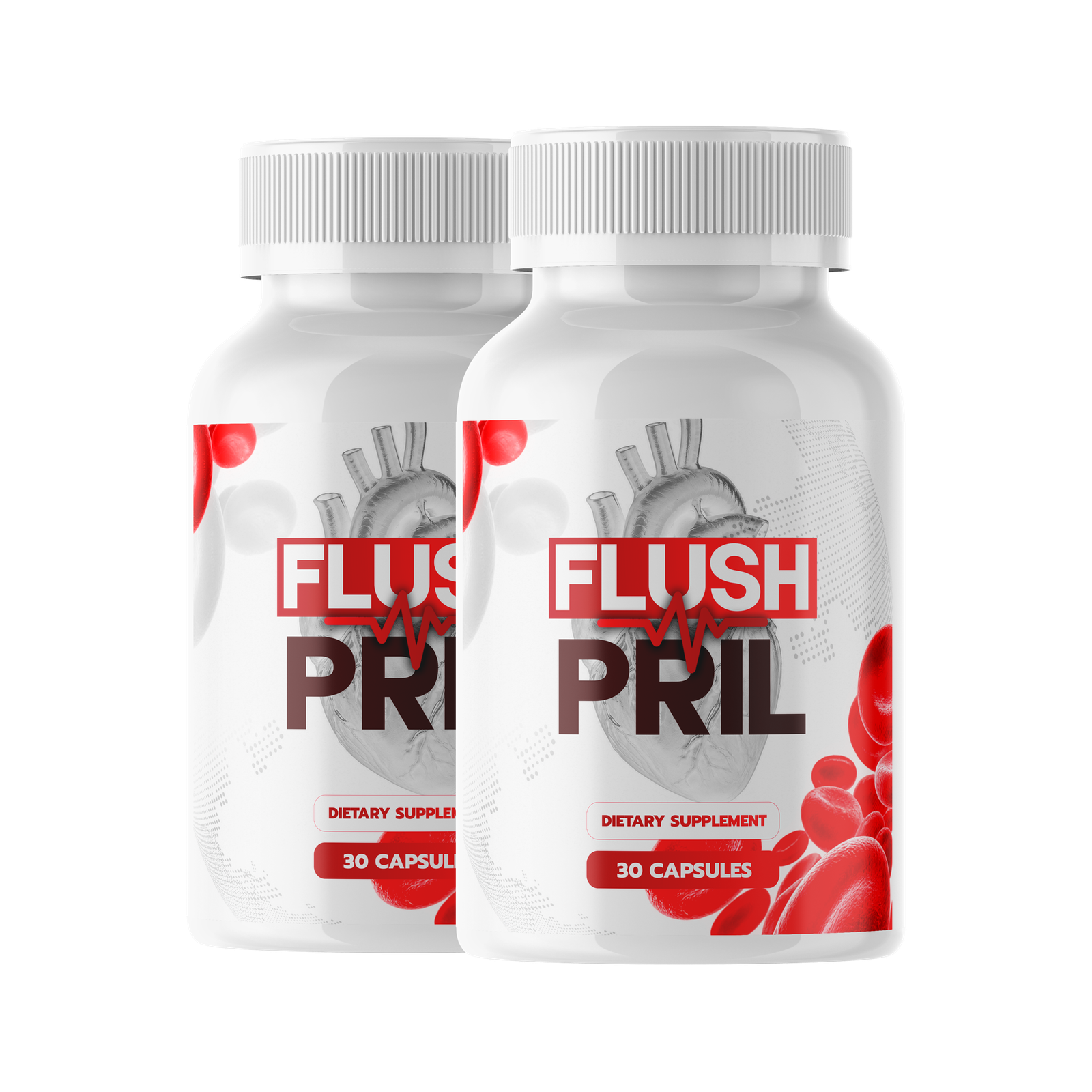
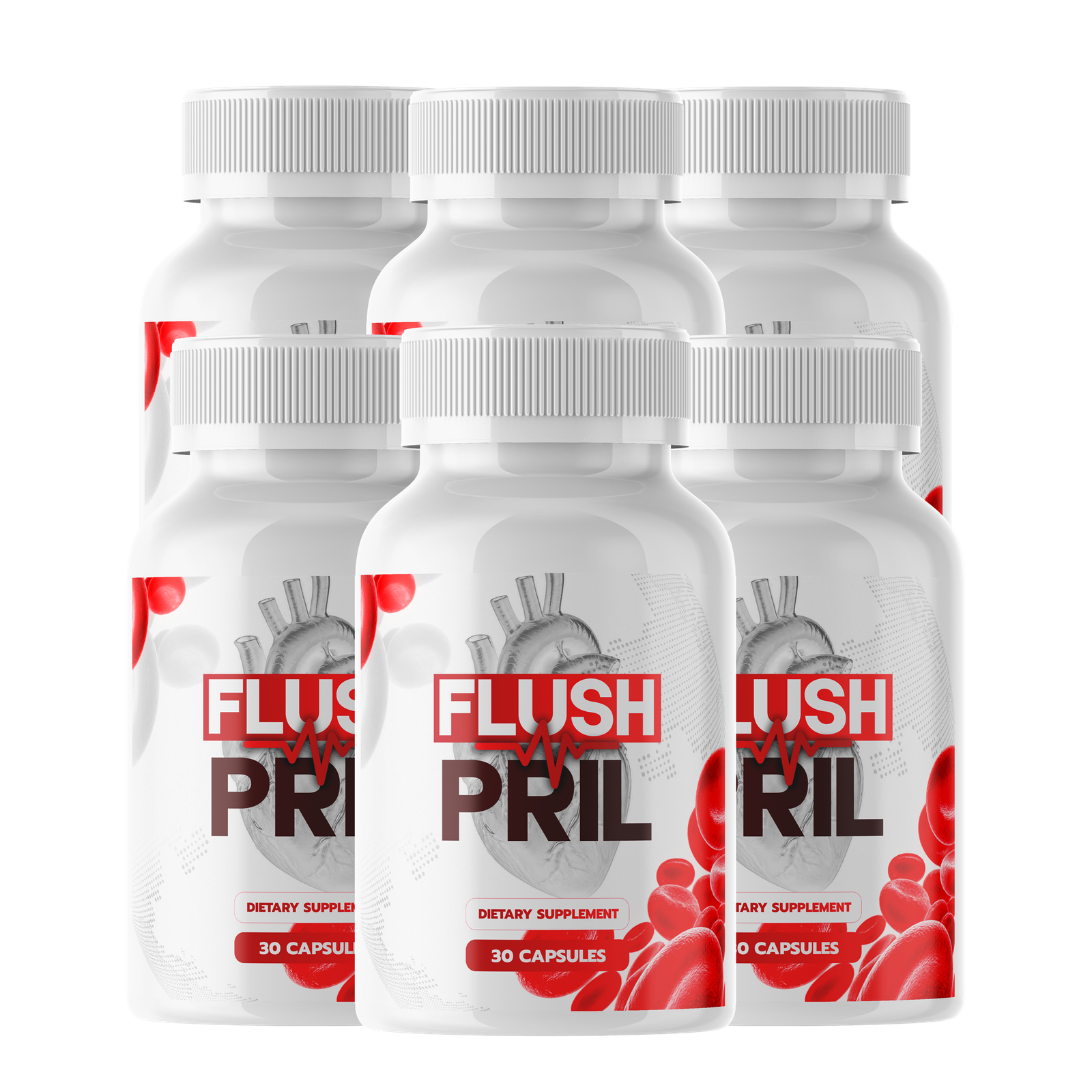
Contains hawthorn berry, garlic powder, olive leaf extract, hibiscus, vitamin B complex & magnesium—each studied in peer-reviewed literature referenced above.
All purchases are covered by a 60-day money-back guarantee.
Flush Pril contains six primary compounds: hawthorn berry extract, garlic powder, olive leaf extract, hibiscus sabdariffa, a vitamin B complex, and magnesium. Each of these ingredients has been the subject of published peer-reviewed research referenced throughout this review.
No. This editorial review is strictly informational and summarizes published scientific findings. It does not constitute medical advice, diagnosis, or treatment recommendations. Individuals should consult a qualified healthcare professional before making any changes to their wellness routine.
The studies referenced in this review examined individual compounds or lifestyle interventions independently. They were not conducted using this specific product formulation. The citations are provided for informational context regarding the individual ingredients.
Flush Pril is backed by a 60-day money-back guarantee. If a purchaser is not satisfied for any reason within that period, they may request a full refund through the vendor's standard return process.
Specific usage instructions are provided by the manufacturer on the product packaging. As with any dietary supplement, it is advisable to consult a healthcare provider before beginning use, particularly for individuals taking prescription medications or managing existing health conditions.
No. Circulatory Science Review is an independent editorial publication. It has no affiliation with the journals, universities, or researchers cited in this article. All references are to publicly available peer-reviewed publications and are cited for informational purposes only.
These statements have not been evaluated by the Food and Drug Administration. This product is not intended to diagnose, treat, cure, or prevent any disease. The information provided is for educational purposes only and is not a substitute for professional medical advice.
The content presented in this review is strictly informational and does not constitute medical advice, diagnosis, or treatment. Always seek the counsel of a qualified healthcare provider with any questions regarding a medical condition. Never disregard professional medical advice or delay seeking it because of something you have read on this page.
Dietary supplements are not intended to replace a varied and balanced diet or a healthy lifestyle. If you are pregnant, nursing, taking medication, or have a pre-existing medical condition, consult your physician before using any dietary supplement. Keep out of reach of children.
This page contains affiliate links. If you purchase a product through a link on this page, Circulatory Science Review may receive a commission at no additional cost to you. This compensation may influence which products are featured and where they appear. All editorial content is based on published peer-reviewed research and is not influenced by affiliate relationships.
The scientific studies cited in this review were conducted independently and do not specifically evaluate the product featured on this page. Individual ingredients were studied in controlled research settings that may not reflect real-world conditions. Results observed in clinical studies may not be representative of individual experiences. Circulatory Science Review has no affiliation with the journals or institutions cited.
If you are experiencing a medical emergency, call your local emergency services immediately. Do not rely on this or any website for emergency medical guidance. This page is not monitored for medical inquiries and cannot provide emergency assistance.